

For the past few months, you’ve been diligently following the CDC’s recommended health guidelines. You’ve staying home as much as possible and avoiding direct contact with other people when you do go out. One day your dentist in Tallahassee calls you, saying they’ve reopened and it’s time for your checkup. When you arrive at the office, a sign on the front door tells you to sit in your car instead of the waiting room until the dentist is ready for you. Why is this the case? Keep reading to find out.
(more…)

 As we near the end of 2018, your to-do list is probably filling up with holiday parties, gatherings, and a number of other fun events. Before things get too crazy during November and December, why not take a few steps to ensure that you are getting the most out of your dental insurance coverage? Each year, Americans waste literally billions of dollars in unused insurance benefits — but it doesn’t have to be that way. Keep reading to learn how a visit to the dentist in Tallahassee can help you save big before the year is up… for the benefit of your smile AND your wallet.
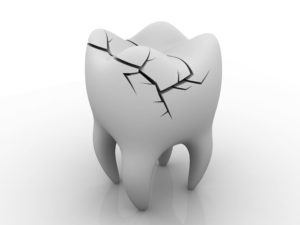 X-rays play an invaluable role in detecting complications with your teeth, such as areas of decay. Unfortunately, there are some issues that may not show up on the images, like tiny cracks. When they are too small to see on an x-ray, it is known as cracked tooth syndrome. The fractures can develop above or below the gum line. No matter where they occur, you will need treatment for cracked tooth syndrome in Tallahassee.
 While you may know to call an ambulance when an emergency is happening, what do you do if you or someone you know sustains an injury local to the mouth or teeth? Is it worth it to call an ambulance at that point? Should you try to schedule a visit to the dentist instead? What if you wake up to severe tooth pain? What’s the best plan of action then?
 A dental emergency in Tallahassee will happen when you least expect it, and the severity of it can vary. Some emergencies are considered low-level and can be temporarily stabilized at home, while others require more immediate attention. As you read on, your local dentist explains the difference between the two and what you should do for each type of .